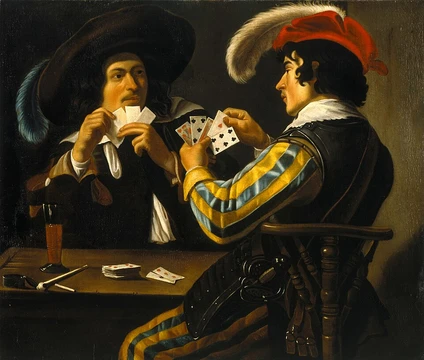
Canasta
A rummy classic devised in Uruguay that became a global sensation.

Achim Raschka · CC BY 4.0
Canasta is a card game of the rummy family, commonly described as a variant of rummy or a development from Conquian. The game spread rapidly through South America and later to the United States, becoming a classic worldwide.
Lore & Background
They experimented with different formulas before combining elements of Bridge, Rummy, and Conquian, then invited Arturo Gómez Hartley and Ricardo Sanguinetti to test the game. After a positive reception at the Jockey Club, Canasta spread north throughout South America in the 1940s, with rules refined in Chile, Peru, Brazil, and Argentina. The game became rapidly popular in the United States in the 1950s, with many card sets, trays, and books produced, though interest waned in the 1960s. The name 'Canasta' likely comes from the tray (basket) placed in the center of the table for undealt cards and discards. Santos and Serrato never patented the rules and thus received no royalties from the later Canasta boom. Canasta is described as 'the most recent card game to have achieved worldwide status as a classic.'
Reader's Guide
Its creators, Santos and Serrato, intentionally designed it to be as engaging as Bridge but more time-efficient, combining elements from Bridge, Rummy, and Conquan. Although its popularity in the US declined in the 1960s, Canasta retains a dedicated following with leagues and clubs in several parts of the United States. The game's legacy is notable for its lack of patent protection, meaning its inventors never profited from its widespread adoption. Classic Canasta is played by four players in two partnerships using two standard decks with Jokers, with the goal of forming melds of seven cards of the same rank. The rules include specific requirements for initial melds based on cumulative scores, and the discard pile can be picked up under certain conditions, with wild cards freezing the pile. Canasta remains a staple of card game history as a modern classic.
Did You Know?
- Santos and Serrato never patented the game rules and thus never received royalties from the Canasta boom.
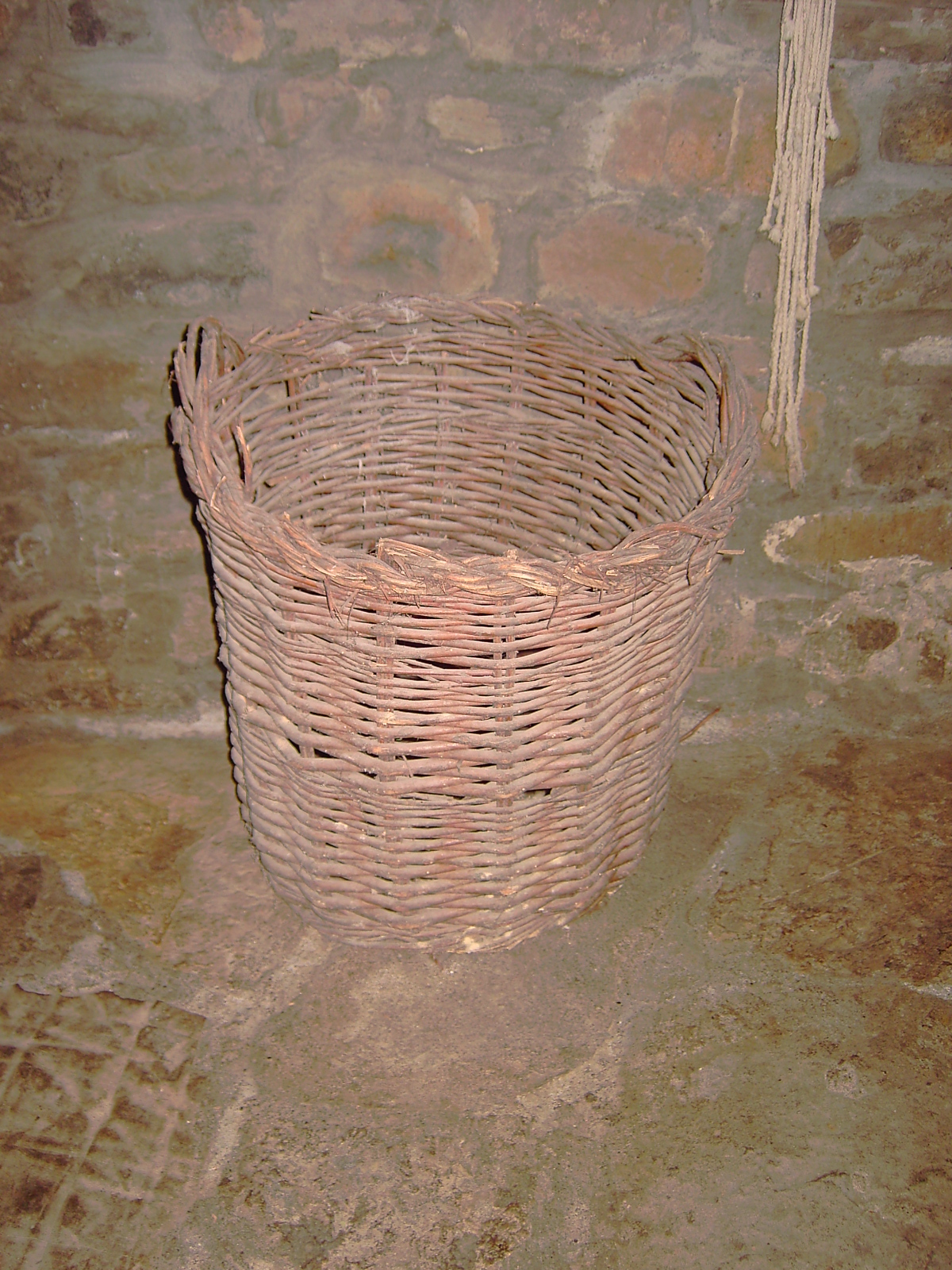
- The name 'Canasta' likely comes from the tray (basket) placed in the center of the table for undealt cards and discards.
Origins in Montevideo
After experimenting with various formulas, the pair blended elements of Bridge, Rummy, and a game called Conquan into something new. They invited two friends, Arturo Gómez Hartley and Ricardo Sanguinetti, to test the prototype. The reception at their local bridge club, the Jockey Club, was enthusiastic enough to spark a broader movement. Crucially, neither Santos nor Serrato ever filed a patent on the rules, a decision that meant they would watch from the sidelines as the game exploded in popularity decades later without ever collecting a single royalty. The name Canasta itself likely derives from the Spanish word for basket, referring to the tray placed at the center of the table to hold the stock of undealt cards and the growing pile of discards.
From South America to the World
Following its warm reception at the Jockey Club, Canasta traveled northward through South America during the 1940s, taking root in Chile, Peru, Brazil, and Argentina, where local players refined and adapted the rules in countless regional variations. There it was initially marketed under the label Argentine Rummy, a name popularized by writer Ottilie H. The 1950s saw a genuine boom: publishers rushed out card sets, specialty trays, and strategy books. The game was also known by the nicknames Samba and Bolivia in various circles. Despite this meteoric rise, Canasta has been described as the most recent card game to achieve worldwide status as a true classic.
The Architecture of a Hand
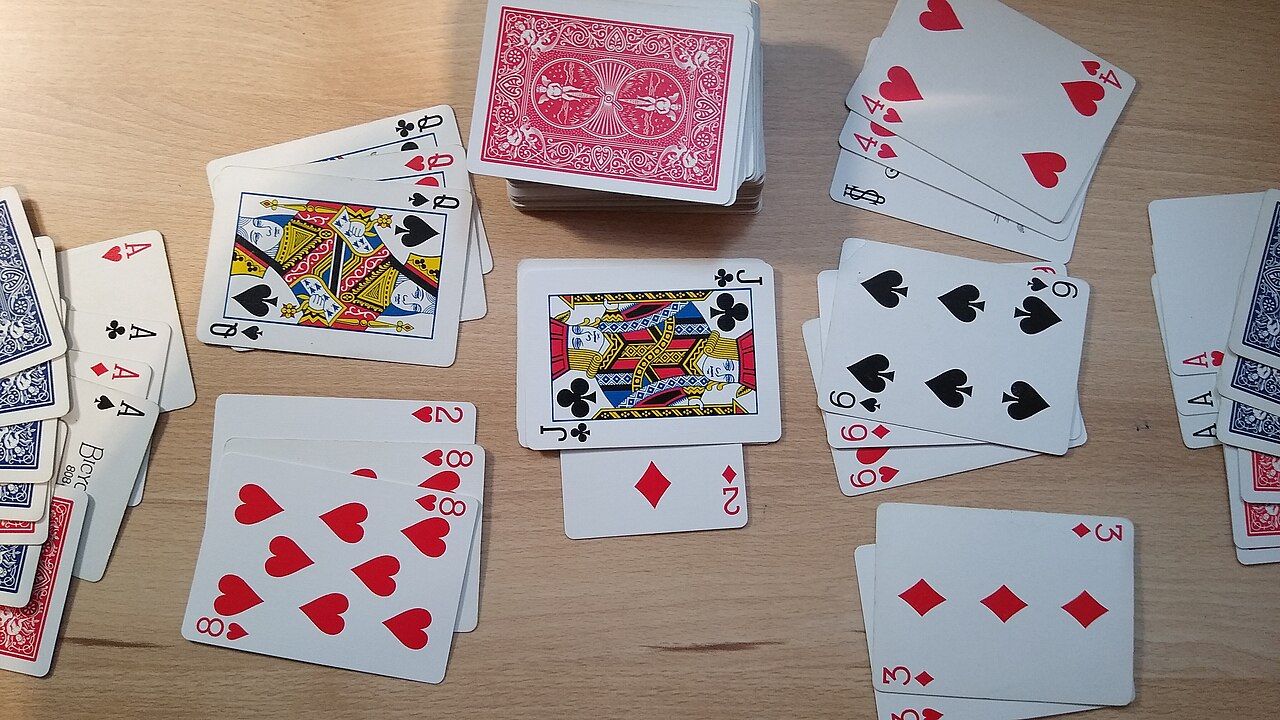
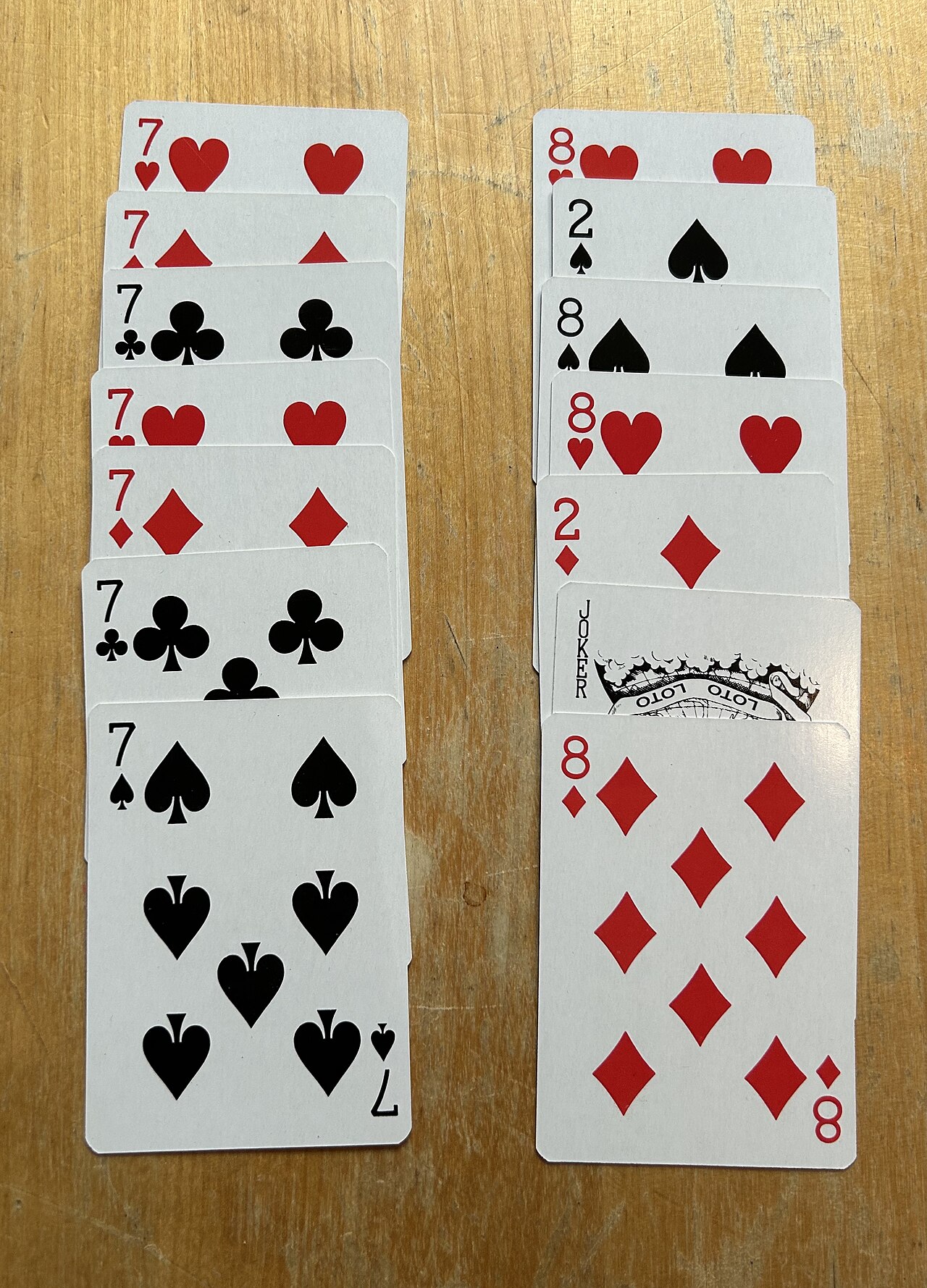
Each player receives an eleven-card hand, and the remaining stock sits face down in the table's center alongside a single face-up discard. One of the game's most distinctive features is the treatment of threes: red threes are wild cards that can substitute for any rank except other threes, and if a player is dealt one or draws one, it must be played face up immediately and replaced from the stock. Black threes, by contrast, are natural cards that cannot be melded during ordinary play; they may only be laid down on the final turn when a player is going out. A legal meld requires at least three cards of the same rank, must include a minimum of two natural cards, and may contain no more than three wild cards. Once a meld reaches seven cards it becomes a canasta, which is then squared into a neat stack with a natural card on top to signal whether it is natural or mixed.
Enduring Legacy
The 1950s represented Canasta's golden age in the United States, a period when publishers flooded the market with themed card sets, purpose-built card trays, and strategy guides. Yet by the 1960s, public interest had begun to fade, and the game receded from the cultural mainstream. Still, it never disappeared entirely. Canasta leagues and clubs continue to operate in several parts of the United States, keeping the partnership format alive for dedicated players who gather around tables to build melds and chase the elusive natural canasta. The game also persists in its South American heartland, where it remains a staple of social gatherings. In the broader landscape of card games, Canasta holds a unique distinction: it is regarded as the most recent card game to have achieved worldwide status as a classic, a testament to the fact that a well-constructed game can outlast its initial hype and find a permanent place in the hands of players across generations.
Gallery
More in Card Games 1-22
Spotted an error? Know more?
This is a living reference — every entry is fact-audited, and reader corrections feed straight into our audit queue. Suggest an edit · See this site's audit record